
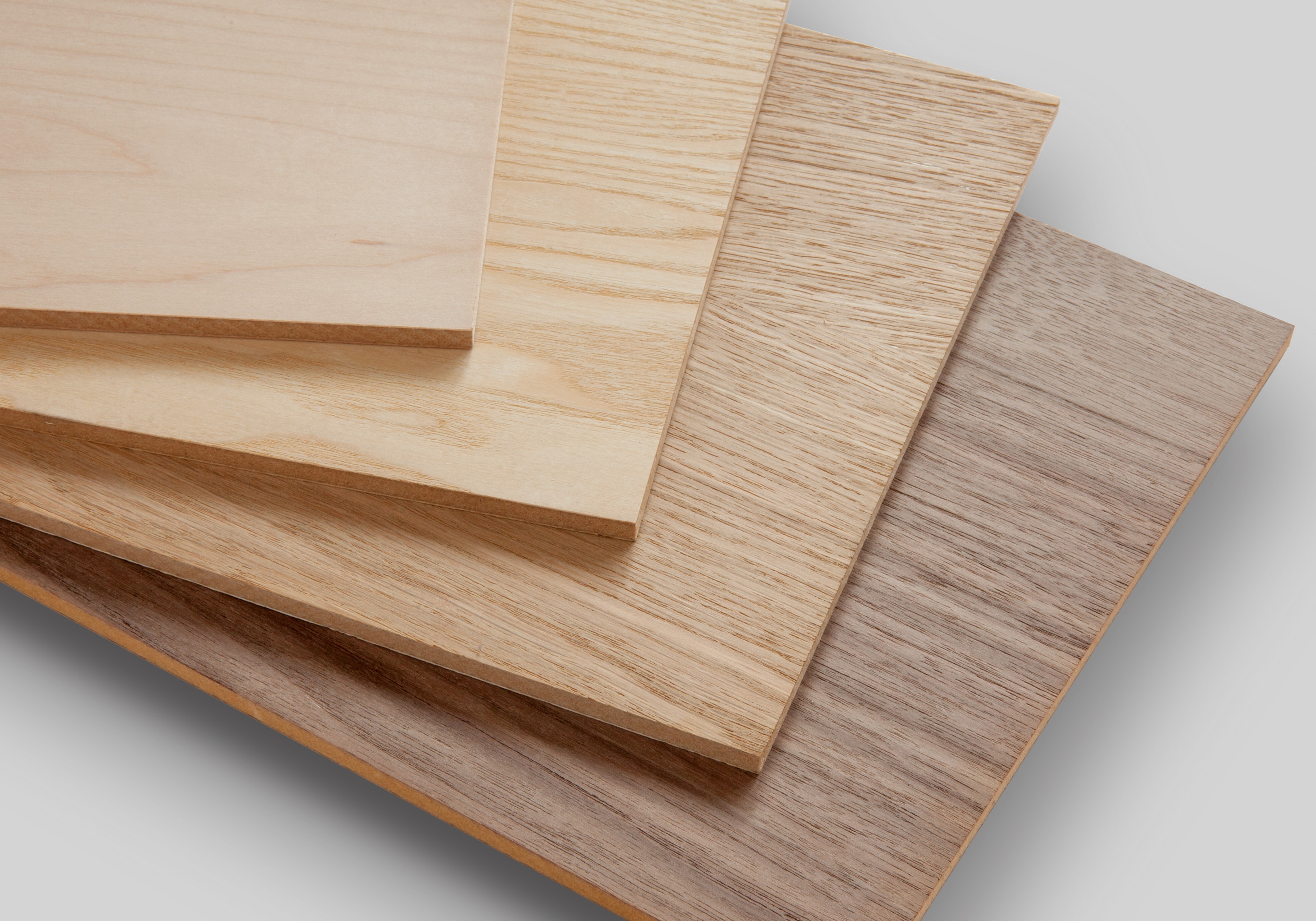
Architectural Specifier Guide: Finding FSC-Certified Meranti Alternatives with Identical Grain Patterns
Ever found yourself staring at a set of render approvals, sweating over a timber spec that just hit a roadblock? You spent weeks convincing the client that classic, deep-red Meranti timber was the only choice for those grand exterior louvers and feature panels. Then, the sustainability consultant steps into the room and drops the hammer: the supply chain can't guarantee FSC certification for that specific batch. Suddenly, your design vision is hanging by a thread.
Look—we've all been there. Meranti has been the darling of the architectural world for decades, loved for its workable nature, stable performance, and that distinct, interlocking grain pattern. But times have changed. Modern compliance standards demand fully certified supply chains, and sourcing ethically harvested Shorea species isn't always smooth sailing. Don't scrap your drawing boards just yet.
The truth is, finding an FSC-certified Meranti alternative with an identical grain structure isn't just a compromise—it's often an upgrade. With the right selection framework, you can match the aesthetic, structural integrity, and stain-receptive qualities of classic mahogany-type hardwoods without breaking your project's green credentials. Let's dive straight into how you can specify these alternatives like a seasoned pro.
Honestly? The trick is knowing where the visual character of the wood actually comes from before you start looking at species samples.
Deconstructing the Visual Anatomy of Meranti Grain
Understanding Interlocking Grain Patterns
When architects talk about matching hardwood grain patterns, they usually focus on color first. That is a massive mistake. Color can be tweaked with stains and sealers, but the physical orientation of the wood fibers is baked into the tree's DNA. Meranti features what timber techs call an interlocked grain. This occurs when the tree's spiral growth direction alternates every few years, creating a subtle, shimmering ribbon effect when quarter-sawn.
If your alternative species features a straight, monotonous grain, no amount of tinted oil will make it look like authentic Meranti. You need a species that exhibits this dynamic light reflection. When light hits the surface, adjacent bands of grain should switch between light and dark tones depending on your viewing angle. That's the secret sauce of tropical hardwoods.
Pay close attention to rays and pore distribution. Meranti has medium-to-large open pores that give it a coarse texture. If you accidentally select a fine-textured wood like European Beech or Birch, it will look synthetic next to natural tropical timber features. You want raw texture.
It's about depth. A flat grain pattern ruins the tactile feel of high-end millwork.
Matching Tone, Texture, and Pores
Pore structure dictates how timber accepts finishes. Meranti's open vascular system means transparent stains sink in deep, emphasizing the natural shadow lines of the wood. To mirror this visual depth, your replacement species must share a similar vessel diameter and distribution pattern under a hand lens.
Color variation within a single board is another critical metric. Meranti isn't just one color; it ranges from pale pinkish-brown to deep, rich reddish-brown depending on whether it's classified as Light, Dark, or Red Meranti. Your sustainable timber specification needs to account for this inherent natural range so contractors don't cull half the delivery site for "color mismatching."
Don't rely solely on digital swatches on a screen. Always request physical, clear-finished control samples. Look at them under both 3000K warm architectural lighting and natural daylight. The way the wood grain handles natural light will make or break your facade installation.
Trust me, taking ten minutes to inspect a physical sample under proper lighting saves ten days of site disputes later.
Top FSC-Certified Meranti Alternatives for Architectural Specs
Sapele (Entandrophragma cylindricum): The Undisputed Twin
If you need an immediate drop-in replacement that makes contractors say "wow," FSC-certified Sapele is your absolute best bet. Originating from responsibly managed West African forests, Sapele belongs to the same broad Meliaceae family as genuine mahogany. It shares that famous ribbon-stripe grain pattern, but actually boasts superior mechanical strength and density compared to standard Meranti.
Visually, Sapele is a dead ringer for Dark Red Meranti. Its coarse texture, combined with a reddish-brown heartwood that darkens gracefully upon oxidation, delivers that high-end classic aesthetic seamlessly. It holds a Janka hardness rating of around 1,410 lbf, making it significantly harder and more scratch-resistant than typical Meranti species.
From an environmental standpoint, Sapele is widely available with full FSC Chain-of-Custody (CoC) certification. Leading African concessions operate under rigorous low-impact logging protocols, giving you total peace of mind for your LEED or BREEAM submittals. It machines like a dream and takes exterior finishes effortlessly.
Seriously, it's almost uncanny how close Sapele gets to high-grade Meranti in real-world exterior cladding applications.
Utile / Sipo (Entandrophragma utile): The Subtler Alternative
Closely related to Sapele, FSC-certified Utile (often called Sipo) offers a slightly softer, more muted grain pattern that closely matches Light Red Meranti. Where Sapele can sometimes feature a very intense, high-contrast ribbon stripe, Utile exhibits a gentler, more uniform interlocked grain with wider stripe bands. This makes it ideal for large-scale interior wall paneling where intense striping might look too chaotic.
Utile displays exceptional dimensional stability, showing minimal shrinkage and movement in service. This makes it an ideal spec for custom joinery, window frames, and exterior door cores where seasonal humidity swings normally cause sticking or gapping issues. Its natural decay resistance is rated as moderately durable to durable.
When specifying Utile, order it quarter-sawn to maximize the visual grain similarity. It accepts solvent-based and water-borne film-forming finishes exceptionally well without blotching, allowing you to match pre-existing Meranti stain schedules precisely.
It is a refined choice. Perfect when you want elegance without aggressive figure patterns fighting for attention.
Modified Radiata Pine & Thermally Modified Hardwoods
Want to go completely outside traditional tropical forestry? Consider high-performance, thermally modified timber alternatives like Acetylated Wood or Thermally Modified Ash. Through non-toxic thermal or chemical modification processes, fast-growing, FSC-certified softwoods or temperate hardwoods are transformed into ultra-durable cladding materials that resist rot and fungal decay.
While raw Radiata Pine looks nothing like Meranti, modern brush-texturing and multi-tone translucent staining systems can replicate the pore-depth and reddish-brown hues of tropical hardwoods astonishingly well. The real win here is dimensional stability: modified woods show virtually zero movement, swelling, or cupping, regardless of the climate zone.
For projects pursuing rigorous net-zero or Living Building Challenge goals, modified temperate timbers offer an unmatched environmental product declaration (EPD) profile while satisfying the visual intent of the original spec.
It's futuristic engineering meeting traditional wood aesthetics. A win-win for modern specs.
Evaluating Performance Specs: Meranti vs. Sustainable Candidates
Choosing an alternative isn't just about looking good in photos. If the wood rots, warps, or bleeds tannin over your architectural concrete after six months, nobody cares how nice the grain was. You must evaluate key mechanical properties against your original spec baseline.
- Janka Hardness: Standard Meranti ranges from 550 to 800 lbf. Candidates like Sapele (1,410 lbf) and Utile (1,180 lbf) offer higher dent resistance for high-traffic commercial interiors.
- Dimensional Stability: Look at radial and tangential shrinkage percentages. Lower values mean fewer site callbacks for binding doors and failing sealant joints.
- Natural Durability Class: Standard Meranti often lands in Durability Class 3 or 4 (slightly durable). FSC Sapele and modified timbers jump up to Class 1 or 2 (highly durable), drastically extending maintenance cycles.
- Density and Weight: High-density alternatives add dead load to your structural framing. Ensure your engineer calculates bracket loads based on the alternative's spec (approx. 640 kg/m³ for Sapele vs. 550 kg/m³ for Meranti).
Matching mechanical specs ensures your building envelope performs as designed for decades, not just until the warranty expires.
Architectural Specification Checklist for FSC Timber Sourcing
To keep contractors from trying to sneak non-certified, sub-par timber past your submittal desk, you need airtight project documentation. Use this step-by-step framework in your architectural timber specifications.
- State the Primary and Secondary Species explicitly: Write "FSC-certified Sapele (Entandrophragma cylindricum) or FSC-certified Utile (Entandrophragma utile) as an approved alternative to Meranti." Never leave it open to generic "hardwood."
- Mandate Chain-of-Custody Documentation: Require the millwork contractor to submit FSC CoC certificate numbers on all invoices and submittals prior to material delivery on site.
- Specify Grain Cut and Surface Finish: Detail whether you require quarter-sawn, rift-sawn, or plain-sawn stock. Specify quarter-sawn if you want to guarantee that signature Meranti ribbon-stripe grain.
- Require Mock-Ups: Demand a 1-meter by 1-meter physical site mock-up featuring the specified coating system. Approve this under actual ambient light before full production runs begin.
A tight specification protects both your design integrity and the planet. It leaves zero loopholes for cost-cutting suppliers.
Common Questions About Meranti Timber Alternatives
Can I stain a lighter FSC wood to look like Dark Red Meranti?
Yes. Utilizing translucent, UV-resistant micro-pigmented stains allows you to match Dark Red Meranti using lighter FSC-certified hardwoods like Utile or even modified Radiata Pine. The key is ensuring the base wood has open pores and an interlocked grain structure so the stain absorbs unevenly, preserving the natural high-contrast depth of real hardwood.
Is FSC-certified Sapele significantly more expensive than standard Meranti?
While FSC Sapele carries a slight premium over uncertified or low-grade Meranti, its superior durability, higher Janka hardness, and longer service life make it far more cost-effective over the building lifecycle. Additionally, it eliminates the project delays associated with supply chain compliance reviews.
How do I verify that my wood supplier's FSC certification is legitimate?
Always ask for the supplier's unique FSC Chain-of-Custody (CoC) code (e.g., XXX-COC-000000). You can immediately cross-reference this code in the official online FSC Public Search database to verify that their certificate is active and covers the specific wood species being supplied.